Visiting a Craft Fair: A Practical Guide
A craft fair rewards a little planning. None of it is complicated, but knowing the basics makes the visit smoother for you and easier on the makers working the tables.
When to arrive
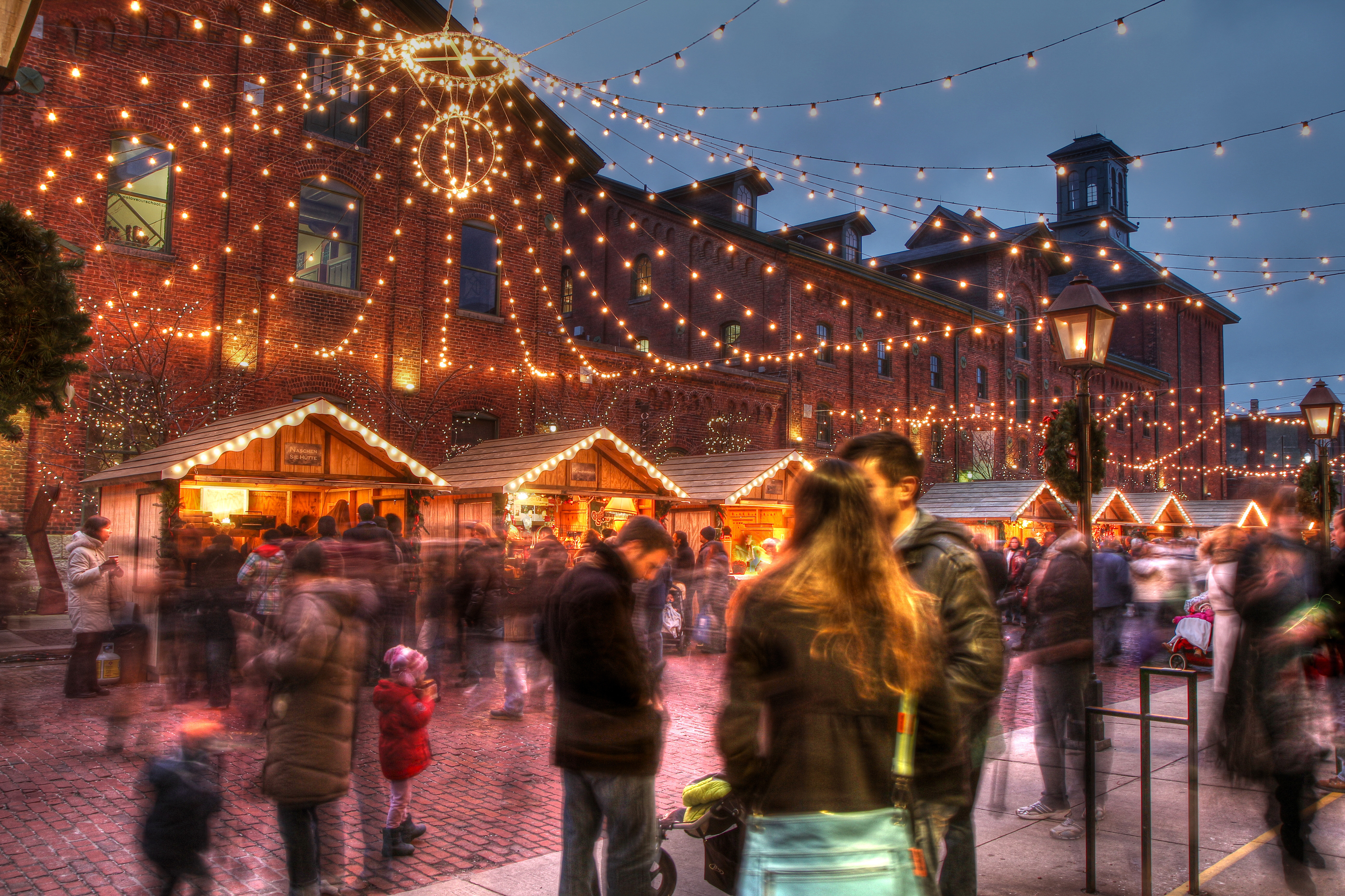
Arriving early has clear advantages: the best of one-off pieces is still on the table, the aisles are quieter, and makers have time to talk. Arriving late has its own logic — some sellers discount remaining stock near closing rather than pack it away — but the selection narrows. For a relaxed visit, the first hour after opening is usually the sweet spot.
How payment works
Most makers now accept card and contactless payment through portable readers, but coverage is not universal and connections can drop in crowded halls. Carrying some cash avoids the awkward moment of finding a piece you want at a stall that has gone cash-only. Small bills are appreciated, since float can run thin by afternoon.

Talking to makers
The conversation is part of the format, but timing matters. If a maker is mid-sale with another customer, wait. When the table is free, a simple question — about the material, the method, or how long a piece took — usually opens things up. Handling goods is generally welcome; just ask first with anything fragile or fastened to a display.
Practical logistics
- Parking and transit: urban seasonal markets are often easier to reach by transit than by car. Community-hall sales usually have nearby parking but can fill quickly on a weekend morning.
- Bags: bring your own. Many makers wrap fragile work but do not always supply carrier bags.
- Weather: outdoor markets run rain, snow, or shine. Dress for standing outside, not for a quick dash between shops.
- Accessibility: if step-free access matters to you, check the venue page in advance, as older halls and heritage sites vary widely.
If you mean to buy
Handmade goods are often one of a kind, so a piece you set down may be gone when you circle back. If you are sure, it is reasonable to ask a maker to hold something while you finish a loop of the room. Custom or commissioned work is a separate conversation; ask whether the maker takes orders and what their timeline looks like.
| Topic | Practical note |
|---|---|
| Best time | First hour after opening for selection and quiet |
| Payment | Card common, but carry some cash and small bills |
| Bags | Bring reusable bags; wrapping is not always provided |
| Etiquette | Wait if a maker is busy; ask before handling fragile work |
Confirm before you travel
Dates, hours, and locations shift each season. Check the organizing venue's own listing before making a trip, especially for outdoor markets affected by weather.